
How Breathwork Combats Everyday Stress

Stress has become a constant companion for many women juggling work, family, caregiving, hormonal changes, relationships, and the nonstop flow of information. This constant “go mode” keeps the nervous system activated longer than it should, leading to feelings of anxiety, exhaustion, and overwhelm. One simple, accessible tool to help restore calm is breathwork.
Breathwork means intentionally changing how you breathe to support your physical, mental, and emotional well-being. It requires no equipment, gym, or special space. You can practice it anywhere—while sitting at your desk, in your car, before sleep, or during a hectic moment.

How Breathing Influences Stress
If you have been feeling tired, overwhelmed, or simply not yourself, you are not imagining it. Stress and isolation affect more than just your mood—they impact your entire body.
Our expert Internist Dr. Golnaz Saedi, MD explains that chronic stress and lack of support do not appear as isolated problems. Instead, they show up across multiple systems in the body, causing symptoms like fatigue, brain fog, inflammation, and disrupted sleep. When patients receive support, doctors often observe measurable improvements in both mental and physical health.
When stress hits, your body triggers the fight-or-flight response. Your heart races, muscles tighten, thoughts speed up, and breathing becomes shallow. This reaction is designed to protect you in danger, but when it stays active too long, it drains your energy and clouds your mind.
Intentional breathing sends a clear signal to your nervous system that you are safe. Slow, deep breaths activate the parasympathetic nervous system, often called the rest-and-digest system. This helps lower heart rate, relax muscles, and quiet racing thoughts. Harvard Health highlights that breath control can reduce the stress response and promote relaxation.
For example, taking a few deep breaths before a stressful meeting can help you feel more grounded and focused. This simple act interrupts the stress cycle and gives your body a chance to reset.
The Mind-Body Connection in Breathwork
Breathwork offers something powerful: control. You cannot always change your deadlines, traffic, or family challenges, but you can control your breath. This control creates a pause between the stressor and your reaction.
Instead of spiraling into anxiety, snapping at others, or shutting down, breathwork helps you respond calmly. Research shows that regulated breathing techniques, like diaphragmatic breathing, improve emotional regulation and reduce anxiety symptoms.
Practicing breathwork regularly builds resilience. It trains your nervous system to return to calm more quickly after stress. This means you can handle daily pressures with more ease and clarity.
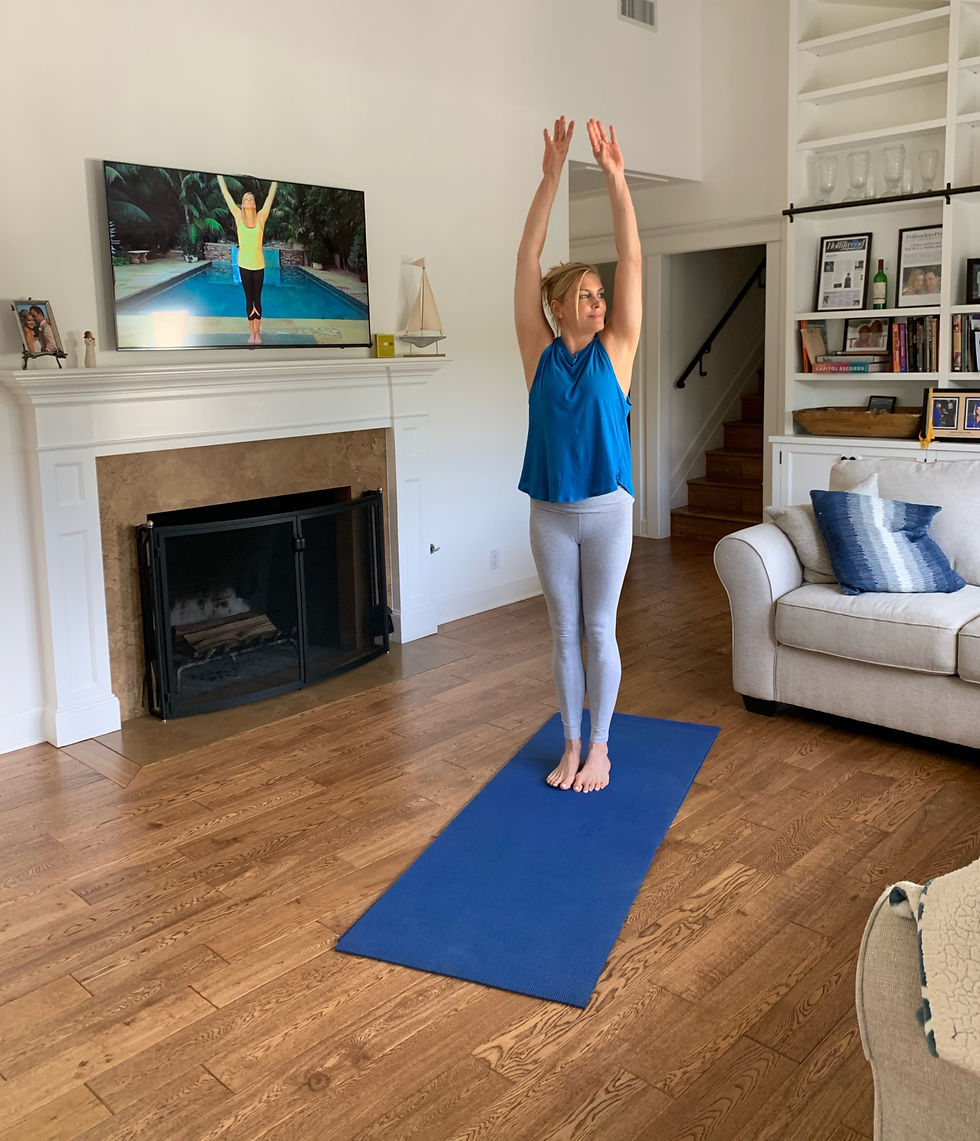
Here's a soothing 11-minute stretch from LaReine that you can perform both first thing in the morning and before bedtime:
Simple Breathwork Techniques to Try
You don’t need to be an expert to benefit from breathwork. Here are some easy techniques to start with:
Box Breathing
Inhale slowly for 4 seconds, hold your breath for 4 seconds, exhale for 4 seconds, then hold again for 4 seconds. Repeat 4-5 times. This technique helps steady the mind and body.
Diaphragmatic Breathing
Breathe deeply into your belly rather than shallow breaths in your chest. Place one hand on your stomach and feel it rise as you inhale and fall as you exhale. Practice for 5 minutes to reduce tension.
4-7-8 Breathing
Inhale quietly through your nose for 4 seconds, hold your breath for 7 seconds, then exhale forcefully through your mouth for 8 seconds. This slows your heart rate and calms the nervous system.
Try these techniques during moments of stress or as part of your daily routine. Even a few minutes can make a difference in how you feel.
Incorporating Breathwork into Your Daily Life
Breathwork is flexible and fits into many parts of your day:
Morning Routine
Start your day with 5 minutes of deep breathing to set a calm tone.
Work Breaks
Use breathwork to reset during busy or stressful work periods.
Before Sleep
Practice slow breathing to ease your mind and prepare for restful sleep.
During Stressful Moments
Pause and focus on your breath when you feel overwhelmed or anxious.
The key is consistency. The more you practice, the easier it becomes to access calm when you need it most.

Benefits Beyond Stress Relief
Breathwork supports more than just stress reduction. It can improve:
Focus and Concentration
Deep breathing increases oxygen flow to the brain, boosting mental clarity.
Emotional Balance
Regulated breathing helps manage mood swings and emotional reactivity.
Physical Health
Breathwork can lower blood pressure, improve digestion, and enhance sleep quality.
Mindfulness
Focusing on breath anchors you in the present moment, reducing rumination and worry.
These benefits make breathwork a valuable tool for overall well-being.


